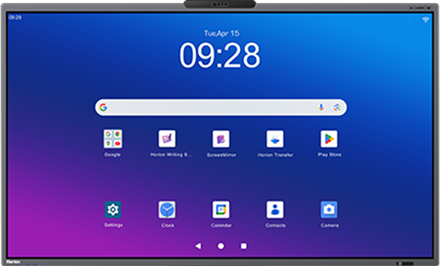

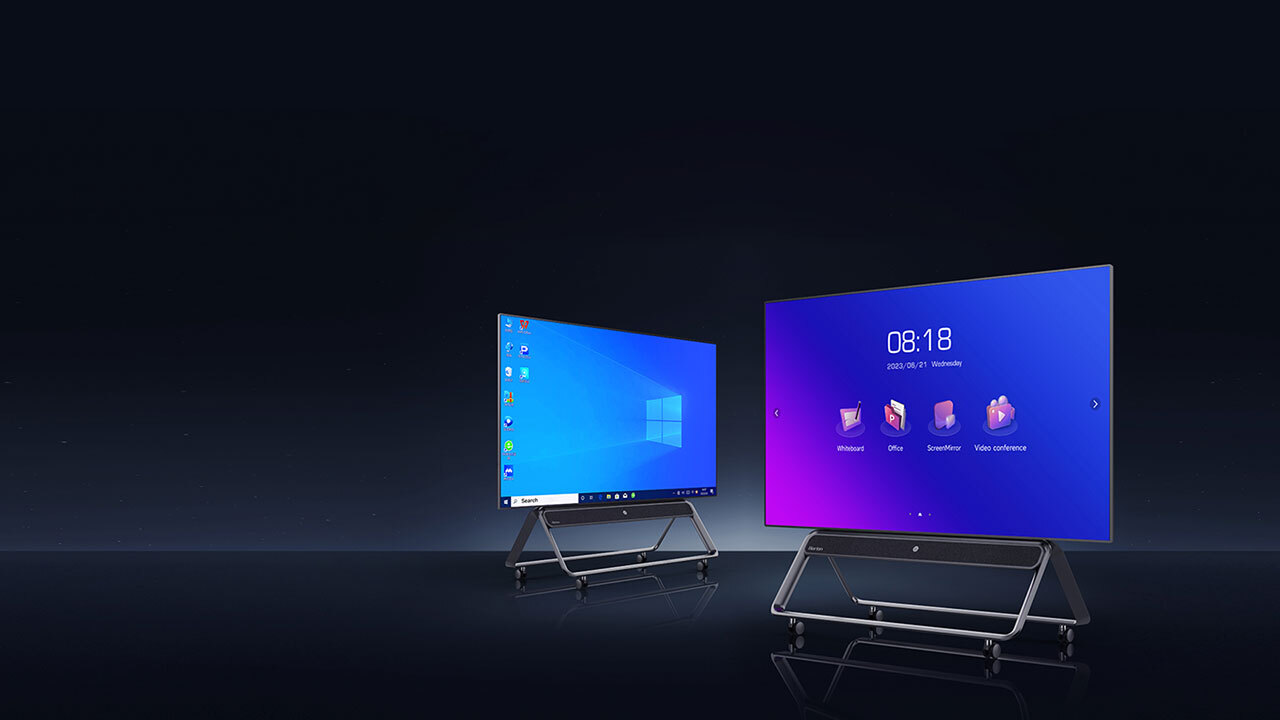
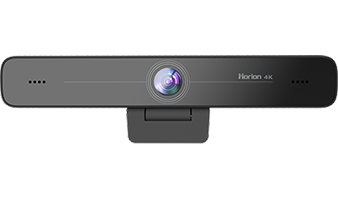

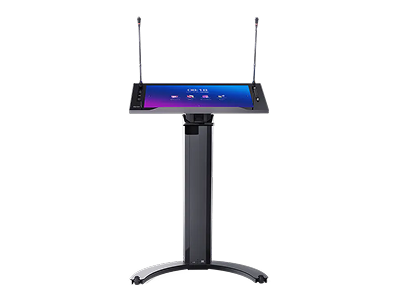



Overview of Digital Smart Interactive Screens
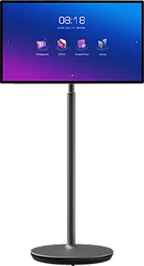
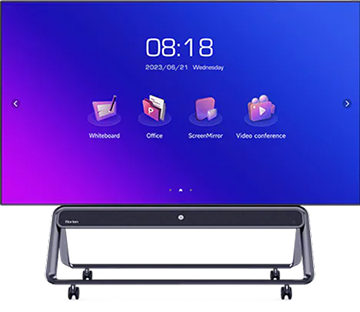
Digital smart interactive screens, also known as interactive digital displays, interactive electronic screens, etc., are display screens equipped with functions such as touch control, gesture recognition, voice interaction, or facial recognition.
Digital smart interactive screens not only display information (such as images, videos, text, etc.) but also respond to the user’s direct operations or commands, enabling various functions such as information retrieval, content control, interactive games, and educational demonstrations.
Digital smart interactive screens are usually based on computer networks and IP digital transmission technology, enabling internet connectivity for real-time content updates and remote management. They surpass the limitation of traditional display screens that only transmit information in one direction, achieving real-time interaction between users and screen content, providing a more vivid, intuitive, and engaging mode of information exchange for users.
Technical Basis and Principles of Digital Smart Interactive Screens
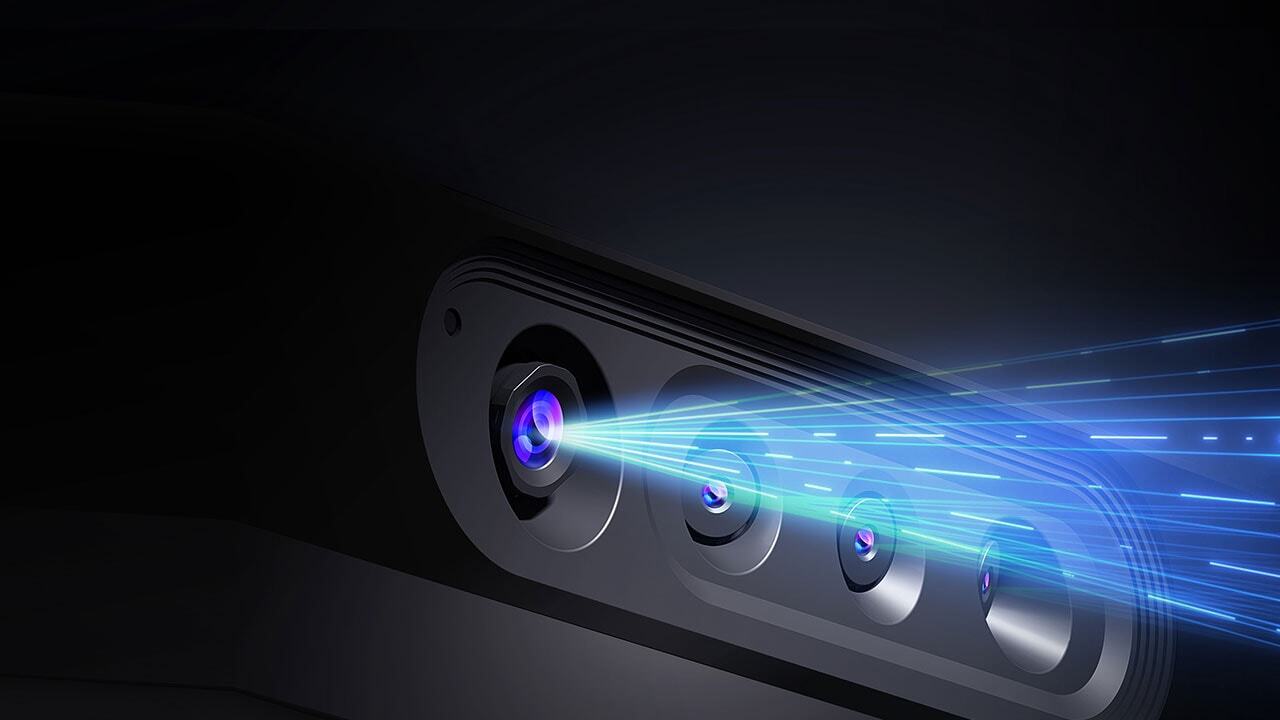
As a smart device integrating high-definition display technology, multi-touch technology, computer vision recognition, voice recognition, and natural language processing, the core of interactive flat panel digital board is “interaction”, achieved by capturing and responding to the user’s physical or voice commands, thus enabling bidirectional information flow.
Specifically, the sensor network behind the screen can perceive the user’s touch, gestures, and even facial expressions, while the built-in intelligent algorithms interpret these inputs to generate corresponding feedback information in real time. This immediate interaction mechanism not only greatly enriches the forms of information display but also significantly enhances the depth and breadth of the user experience.
Differences Between Digital Smart Interactive Screens and Traditional Interactive Screens
Interactivity
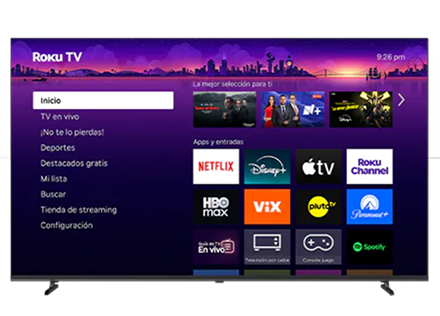
Unlike traditional display screens (such as TVs, billboards) that transmit information unilaterally, digital interactive panel emphasizes bilateral communication. Users are no longer passive receivers of information; they can actively participate and control the displayed content.
Technical Integration
Digital smart interactive screens integrate multimedia editing, network communication, human-computer interface technology, and more, making their functions more comprehensive and powerful.
Main Features of Digital Smart Interactive Screens
Interactivity
The core feature, allowing users to interact with the screen content through various means such as touch, gestures, voice, and motion sensing, transforming the traditional “viewing only” mode.
Multimedia Display
Capable of presenting rich multimedia content, including high-definition images, videos, audio, and animations, enhancing the expression and attractiveness of information.
Immediate Feedback
Able to quickly provide feedback based on user operations, such as information queries, game interactions, and problem-solving in educational training, thereby enhancing the user experience.
Customized Content
Flexible design and display of personalized content according to application scenario requirements, meeting the information dissemination and interaction needs of different scenarios.
Background of Digital Smart Interactive Screens
First, the development of science and technology. With the rapid development of display technology, computer technology, and network technology, digital smart interactive screens have emerged as integrated products. The application of high-definition display technology, touch screen technology, and multimedia interaction technology enables digital smart interactive screens to provide a richer, more vivid, and convenient interactive experience.
Second, the expanding market demand. As consumer demand becomes more diverse and personalized, traditional advertising display methods can no longer meet market needs. As a new type of advertising display method, digital touch board is highly interactive and innovative, attracting consumer attention and improving advertising effectiveness.
Third, business model transformation. With the rise of new business models such as e-commerce and social media, enterprises need to find more efficient and precise marketing methods. Digital smart interactive screens offer a platform for real-time interaction with consumers, helping enterprises quickly and better understand consumer needs and improve marketing efficiency.
Fourth, the change in lifestyle. As lifestyles change, people’s information acquisition and communication needs have also changed. Digital smart interactive screens provide more convenient and intuitive ways of information display and communication, meeting people’s information acquisition and communication needs.
Fifth, strong policy support. With policy support for industries related to digitalization and intelligence in various countries, digital smart interactive screens, as an essential component of these industries, have also received support and encouragement.
Application Areas of Digital Smart Interactive Screens
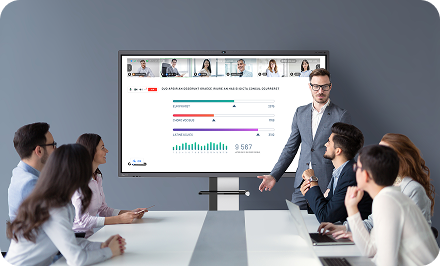
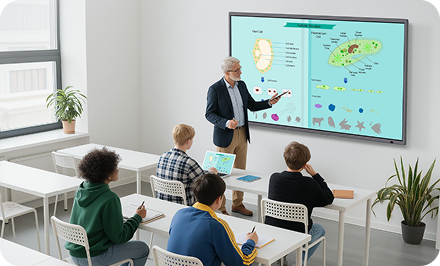
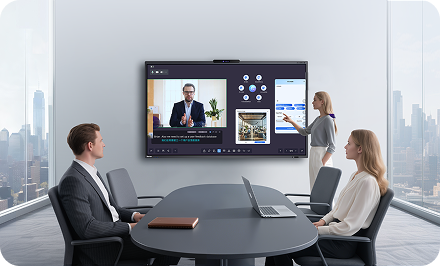
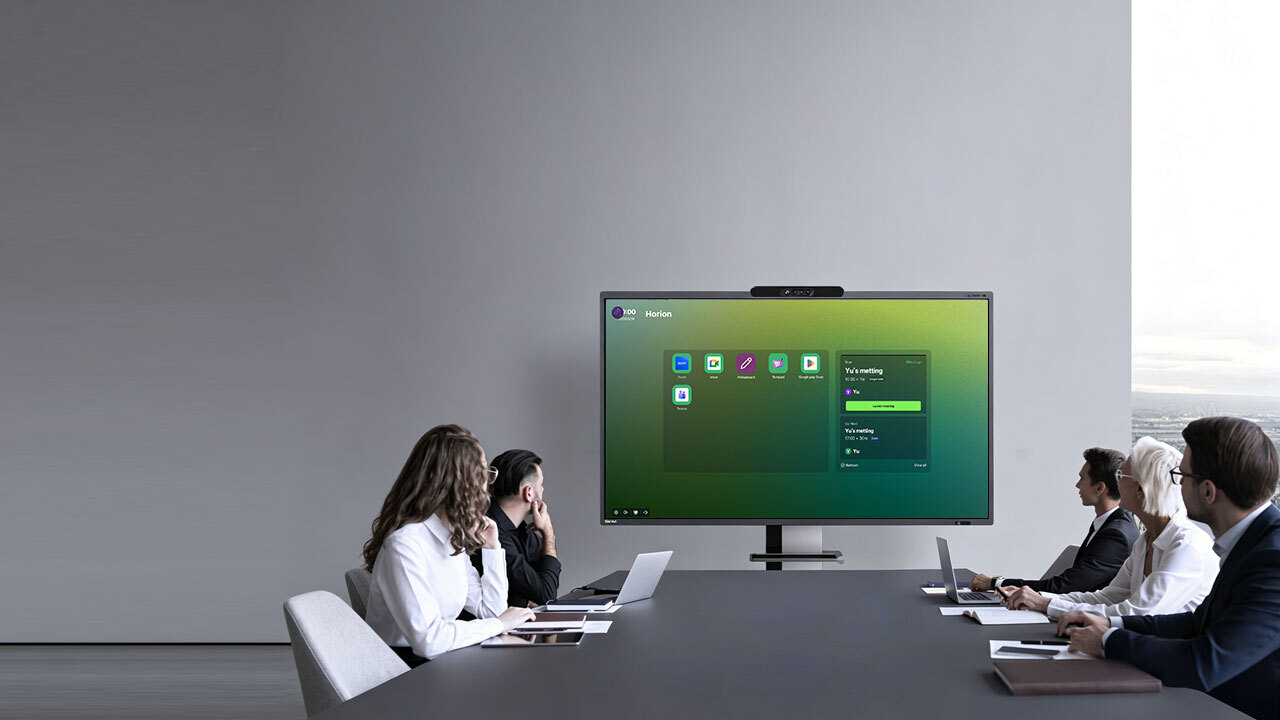
Digital smart interactive screens are widely used in education, commercial marketing, public information services, cultural entertainment, corporate meetings, and many other fields. By enhancing the user experience and information dissemination efficiency, they promote the diversified development of the information society.